
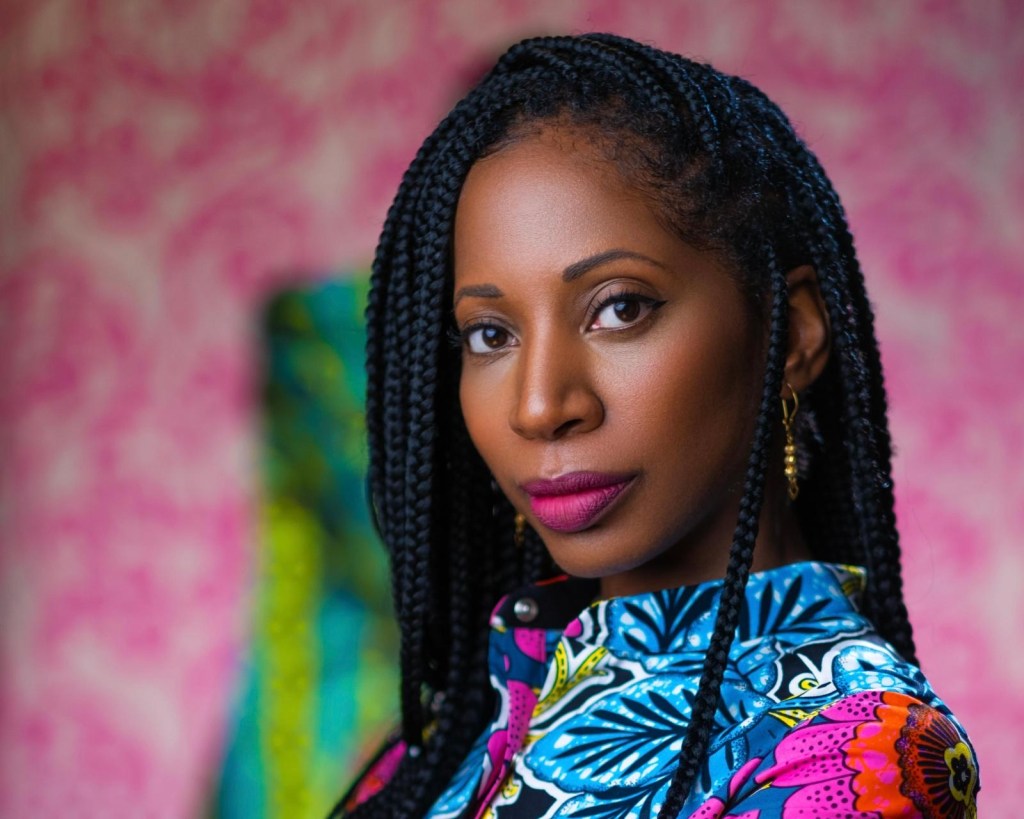
Jan 2026- In the vibrant world of contemporary art, few artists have captivated audiences and reignited interest in quilting like Bisa Butler. With quilts that shimmer like tapestries and portraits that pulse with life, Butler has redefined what this humble craft can be — transforming quilts into powerful works of art that celebrate Black identity, history, and resilience.
A Voice Through Fabric
Quilting in America has a long and layered history. Originally born out of necessity, enslaved African Americans often stitched together scraps of fabric to keep their families warm. From these modest beginnings emerged a distinctive African American aesthetic: improvisational design, bold contrasts, and deeply personal narratives embedded in cloth.
Today, Butler draws on that heritage while bringing something entirely new to the tradition. Trained initially as a painter at Howard University, she wasn’t always a quilter. It was during a fiber arts class in graduate school that she made her first quilt, based on a photo of her grandparents’ wedding — and a signature artistic journey was born.
Elevating Quilting to Fine Art
Butler’s art defies easy categorization. Her process begins with vintage black-and-white photographs — many drawn from historical archives — which she translates into large-scale, quilted portraits. Instead of naturalistic skin tones, she uses brilliant, jewel-like fabrics: lush silks, African wax prints, kente cloth, batiks, velvet, and more. These materials express emotion, identity, and lineage in a language only textiles can convey.
The result looks almost like painting — but it’s entirely fabric. Thousands of carefully chosen pieces are layered and stitched together through appliqué and quilting, often taking hundreds of hours.
Through this labor-intensive process, Butler elevates quilts from household craft to high art. Museums across the U.S. now showcase her work, including the Smithsonian National Museum of African American History and Culture and the Art Institute of Chicago. Her portraits feature both iconic figures — like Harriet Tubman — and everyday African Americans whose stories historically have gone untold.
Why Quilting Matters Now
The recent surge of interest in quilting — particularly in Black communities and among contemporary artists — reflects a broader cultural shift. Quilting was once dismissed as “women’s work” or merely a functional craft, but artists like Butler are proving that quilts can be profound instruments of storytelling and resistance.
For African Americans especially, quilts hold layered significance:
- Memory and survival: Quilts were essential for warmth and survival during slavery and post-enslavement eras, making them a literal and metaphorical cover for families.
- Cultural transmission: The improvisational patterns and vibrant fabrics reflect West African textile traditions and a heritage carried through generations.
- Narrative power: Quilts have been used to celebrate communities, document struggle and triumph, and embody ancestral connections — preserving stories that might otherwise be lost.
Today, quilting is experiencing a renaissance. Figures like Butler are part of a broader movement in which textile art intersects with identity politics, historical memory, and contemporary visual culture. By turning quilts into portraits that confront viewers directly — eyes meeting eyes through stitch and cloth — Butler forces us to reckon with who gets seen, how histories are told, and what art can be.
A Living Tradition
Butler stands on the shoulders of generations of African American quilters. From the anonymous makers of the rural South to the famed quilting community at Gee’s Bend, Alabama, to artists like Laverne Brackens and Cecelia Pedescleaux, African American quilters have long woven resilience into their work.
Butler’s quilts aren’t just beautiful — they are living history. Each piece is a conversation across time: between the stories of the past and the viewer in the present. They honor the ancestors who stitched out of necessity, celebrate the vibrant community life that sewing circles nurtured, and inspire a new generation to see quilting not just as craft but as cultural expression.
Conclusion
In an era that increasingly values diverse narratives and artistic voices, the resurgence of quilting — propelled by artists like Bisa Butler — is both timely and transformative. What was once hidden in closets and living rooms has moved into museums and cultural discourse, reminding us that art can be sewn together from fragments and still tell a whole story.
 AAWA
AAWA 
Leave a comment