
Something is happening in Detroit.
Across the city, independent galleries and emerging art spaces are creating room for artists to experiment, build audiences, and define what contemporary art can look like outside of traditional institutions. It is a landscape with its own history, cultural complexity, and an increasingly visible group of artists and creative voices.
For Detroit-based curator and the Creator + Director of Threads: The Art Exchange, Sydney Frakes, that landscape presents an opportunity.
Frakes approaches her work with an interest in how artists are presented, how exhibitions are experienced, and how emerging voices can be given meaningful opportunities. Her curatorial practice is grounded in a simple but demanding question: How can an exhibition make people stop, look, and feel something?
Her upcoming exhibition, The Intimacy of Memories, is an expression of that philosophy.
Opening October 9, the exhibition brings together 10 Detroit-based artists whose work explores family, home, culture, identity, memory, and the experiences that shape us. Rather than attempting to define a single Detroit experience, Frakes creates space for different perspectives to exist within the same exhibition.
The result is a show that begins with something deeply personal and expands outward.
Where Memory Begins
The idea for The Intimacy of Memories was shaped in part by the passing of Frakes’ grandfather.
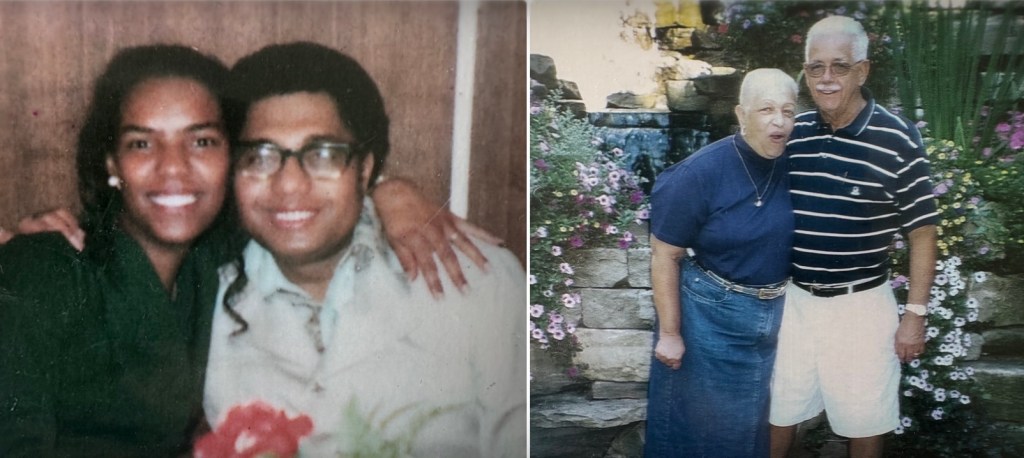
Frakes was close to her grandparents, and her grandfather’s passing prompted her to reflect on the ways memories remain with us even after the people who created them are gone. Photographs, family stories, familiar objects, traditions, and places can become vessels for experiences that are no longer physically present.
That reflection became the foundation for the exhibition.
But The Intimacy of Memories is not simply an exploration of Frakes’ personal loss. Instead, she uses memory as a doorway into larger questions about family, home, culture, and identity—questions that each artist can approach from their own perspective.
The exhibition allows those perspectives to coexist rather than forcing them into a single narrative.
In that sense, memory becomes both the subject and the structure of the show: personal enough to feel intimate, yet broad enough for each viewer to bring their own experiences into the room.
The Curator as Storyteller
For Frakes, an exhibition needs a story.
Curating is not simply about placing individual artworks in a room. It is about understanding how those works speak to one another and creating an experience that gives viewers a reason to move through the exhibition, look closely, and consider what they are seeing.
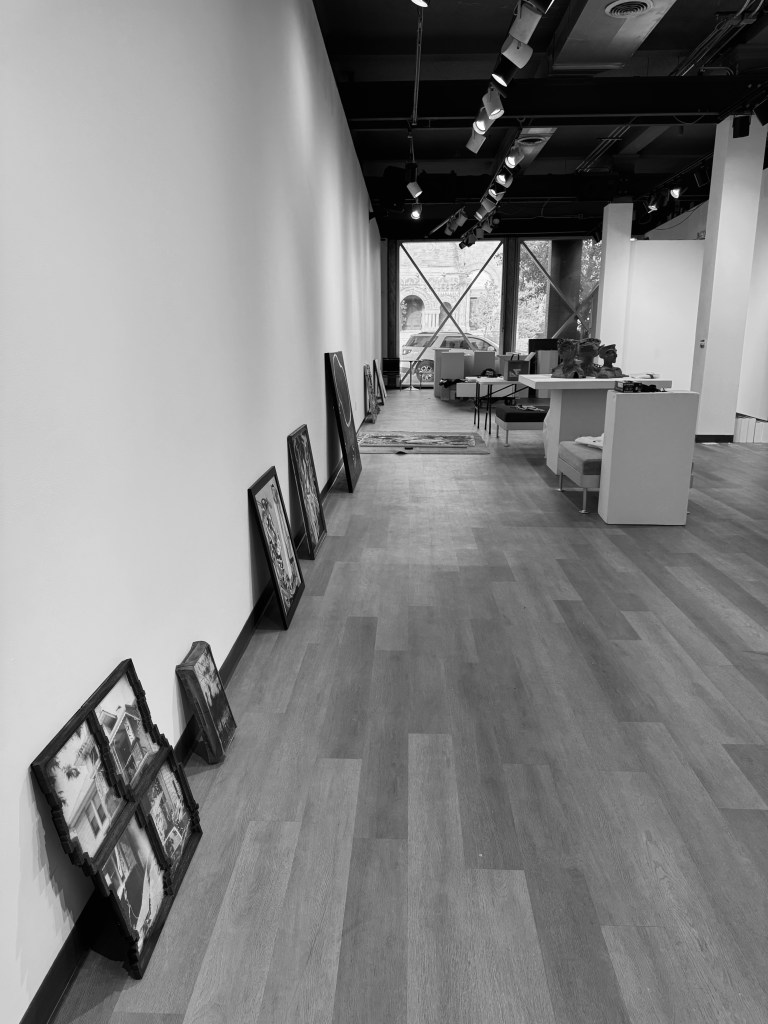
That sense of storytelling extends to the way Frakes communicates about the artwork itself.
She sees detailed artwork descriptions and exhibition labels as an important responsibility of the curator. For her, providing context can help audiences understand what they are looking at, learn more about an artist’s intentions, and engage with the work on a deeper level.
The goal is not to tell viewers what they should think. It is to give them an entry point.
That distinction is important in Frakes’ approach. She is interested in creating exhibitions that are accessible without reducing the complexity of the art.
Creating Opportunities for Emerging Artists
Supporting emerging artists is central to Frakes’ curatorial philosophy.
She is particularly interested in self-taught artists and artists working outside traditional academic or institutional pathways. Rather than viewing those backgrounds as limitations, Frakes sees them as potential sources of fresh ideas and perspectives.
Her approach is rooted in respect.
For emerging artists, an exhibition can represent more than an opportunity to display work. It can provide visibility, experience, new audiences, and the chance to see their practice taken seriously within a professional art environment.
The Intimacy of Memories brings together 10 Detroit-based artists with distinct perspectives and practices.
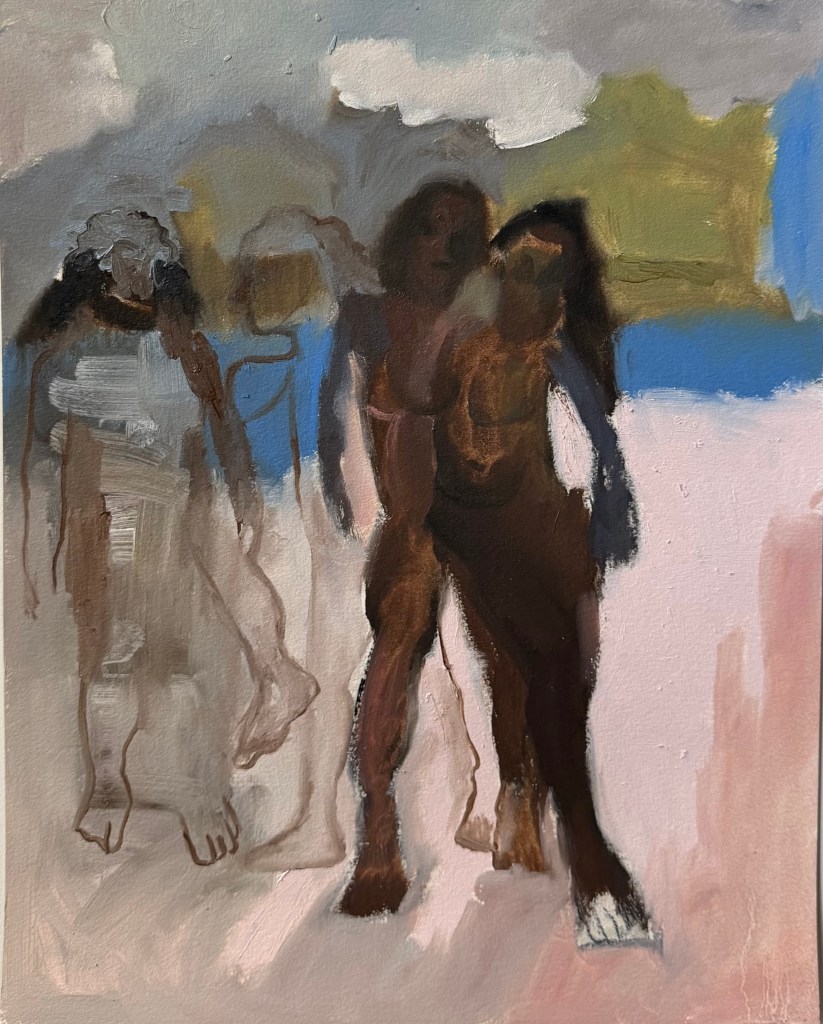
Among them is Cydney Camp, whose work explores Black feminism. Miriam Uhura’s practice examines family, Black culture, and identity through symbolism.
Their work contributes to the broader conversation within the exhibition while maintaining its own individual language.
That variety is important. Detroit cannot be reduced to a single artistic voice, and Frakes does not attempt to do so.
A City of Many Perspectives
Detroit’s cultural identity is layered, and its contemporary art community reflects that complexity.
Artists bring different cultural backgrounds, histories, influences, and lived experiences into the city’s creative landscape. Independent galleries and smaller exhibition spaces create opportunities for those perspectives to emerge, often providing more direct relationships between artists, curators, and audiences.
Frakes sees possibility in that environment.
Her work as a curator places her within a broader ecosystem of artists, independent spaces, and creative organizations contributing to Detroit’s cultural landscape. Her role is not simply to organize exhibitions, but to help create opportunities for artists to be seen and for audiences to encounter work they may not otherwise discover.
That requires relationships, trust, communication, and a willingness to give emerging artists room to develop.
The Gallery as Escape
Frakes also believes that galleries and museums should provide a sense of escape.
“We always want to go back to quieter times,” she says.
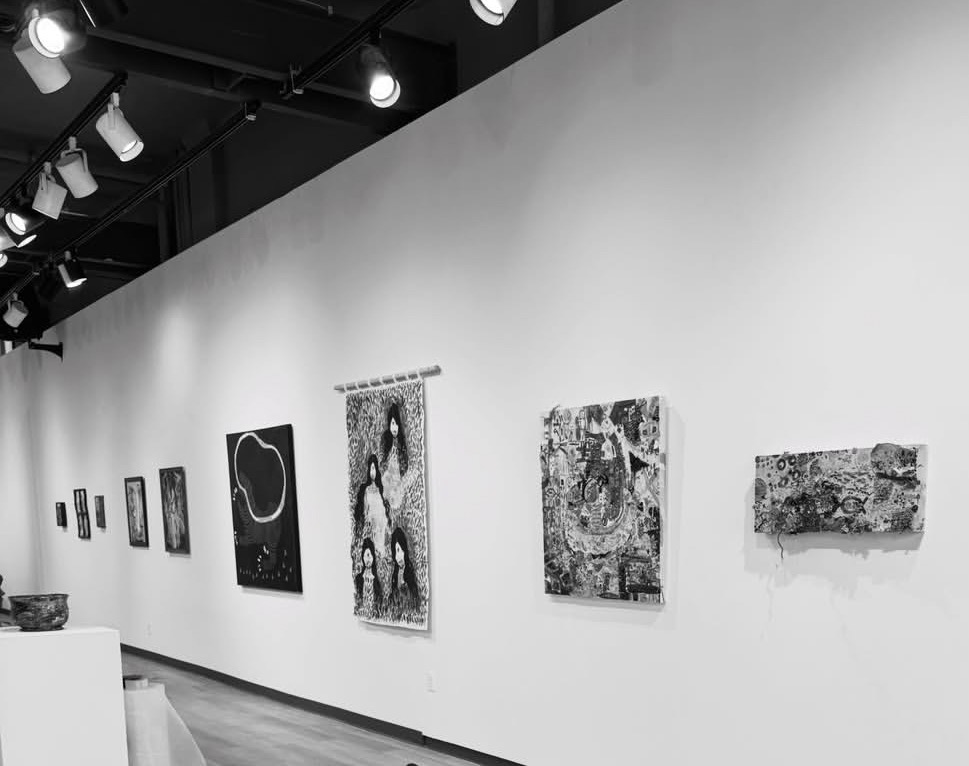
In a world that often feels increasingly fast and overstimulating, she wants art spaces to provide an opportunity to slow down.
That philosophy extends to the way she thinks about the exhibition experience itself. Frakes considers the five senses and the atmosphere of a space, asking how an exhibition can encourage visitors to be fully present rather than simply moving from one artwork to the next.
For her, the gallery can offer permission to pause.
The Intimacy of Memories naturally lends itself to that kind of experience. Memory is often activated through sensory details—a photograph, a sound, an object, a color, a familiar place. Those details can transport us, sometimes unexpectedly, into another moment.
By building an exhibition around memory, Frakes creates space for viewers to bring their own histories into the room.
Curating Detroit
The Intimacy of Memories offers a clear view into what Frakes is building through her curatorial practice.
She wants to nurture emerging artists. She wants audiences to engage with art thoughtfully. She believes exhibitions should have purpose, clarity, and a story. And through Threads: The Art Exchange and her curatorial work, she is contributing to a creative environment where artists can find opportunities to be seen and audiences can encounter new perspectives.
Her work is part of a broader cultural moment in Detroit, where artists, curators, independent galleries, and creative spaces are helping shape how the city is experienced and understood through contemporary art.
The Intimacy of Memories opens October 9 and runs through October 31, bringing together 10 Detroit-based artists around family, home, culture, identity, and memory.
For Frakes, the gallery can be more than a place to display art.
It can be a place to remember.
A place to discover.
A place to slow down.
And, perhaps most importantly, a place to encounter perspectives that expand the way we understand ourselves and the world around us.


Leave a Reply